Browntail moth has been in Maine since 1904 and has been in an outbreak phase over a broader area since 2015.[1] The Maine Forest Service has found it in all 16 counties, including Cumberland County.[2] Populations can be heavy on one street and light on the next, so the best way to know about the trees around your Gorham home is to look for winter webs. The Maine Forest Service also keeps a map of known populations.[3]
In 2026, Maine CDC reported higher browntail moth populations in parts of Cumberland County, along with parts of Androscoggin, Hancock and Oxford counties, even as populations statewide have been steadily decreasing over the past couple of years.[4] The Maine Forest Service’s 2026 aerial survey found localized defoliation mainly along the western shores of Sebago Lake.[5]
When to act on browntail moth in Gorham
- September: book earlyThe Maine Forest Service suggests reaching out to a licensed arborist in September, because demand for winter web removal is high.[6]
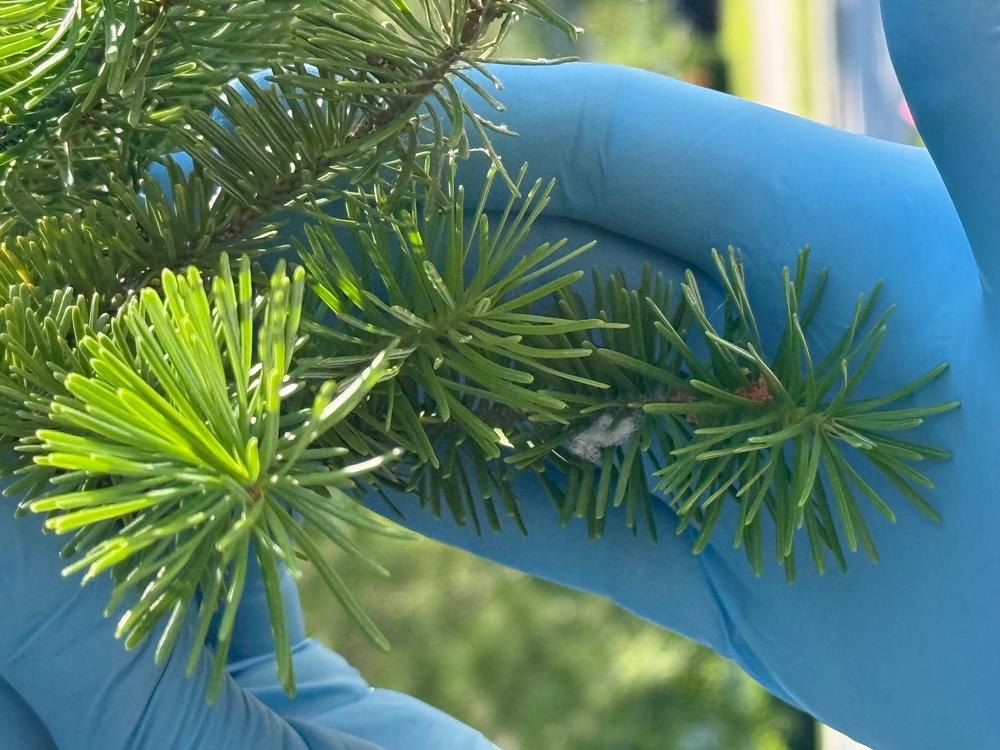
- October to March: winter websYoung caterpillars spend the winter in silk-wrapped clusters of leaves at the tips of branches. Webs are easiest to see once the leaves drop.
- Mid-December to early April: clipping seasonPopulations within reach can be reduced by clipping and destroying overwintering webs.[1]
- Mid-April to late May: treatment windowCaterpillars leave their webs to feed. In most years, treatment should be effective before late May; later treatments do little to reduce hairs in the environment or damage to trees.[3]
- April to July: highest rash riskExposure to the toxic hairs is greatest while caterpillars are most active.[2]
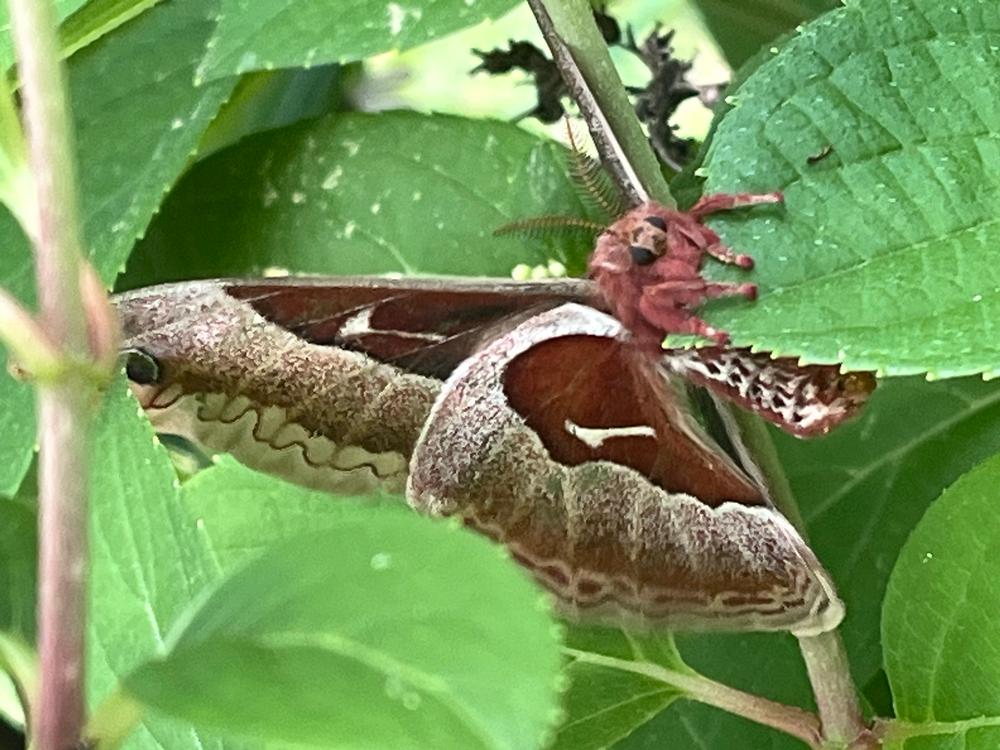
- Late June to early August: lights offKeep outdoor lights off at night from the last week of June to the first week of August, while moths are flying. Bug zappers are not recommended.[6]
- August to early October: the next generationNewly hatched caterpillars feed, then build the winter webs that start the cycle again.[6]
Our browntail moth services in Gorham
Why hire a professional?
Many webs sit at the very tops of tall oaks, well out of reach of a pole pruner. Maine also requires insecticide applications to be made by licensed pesticide applicators, except when you treat your own property with general-use products, and you cannot treat a neighbor’s trees unless you are licensed.[6] A licensed professional can reach high webs safely and choose a treatment that fits your property.
Want the full picture? Read our complete guide to browntail moth treatment in Southern Maine.
Browntail moth and Gorham
Browntail Moth help near Gorham
Tree Medics is based in Biddeford and works throughout Southern Maine. We also offer browntail moth services in nearby towns:
See all tree care in Gorham.
Sources
- Maine Forest Service: Browntail moth management overview
- Maine CDC & Maine Forest Service: Browntail moth hairs pose risk during spring outdoor activities
- Maine Forest Service: Browntail moth information, treatment timing and map of known populations
- Maine CDC Health Advisory: Browntail moth (May 2026)
- Maine Forest Service: Forest & shade tree conditions, August 2026
- Maine Forest Service: Browntail moth frequently asked questions
- Presumpscot Regional Land Trust: Deer Woods Preserve (2023)
- U.S. Census Bureau: QuickFacts, Gorham town, Maine (2020)