Maintaining healthy trees takes more than occasional pruning or watering. Trees can be affected by insects, diseases, environmental stress, root damage and structural defects that are easy to miss until a problem becomes expensive, or dangerous.
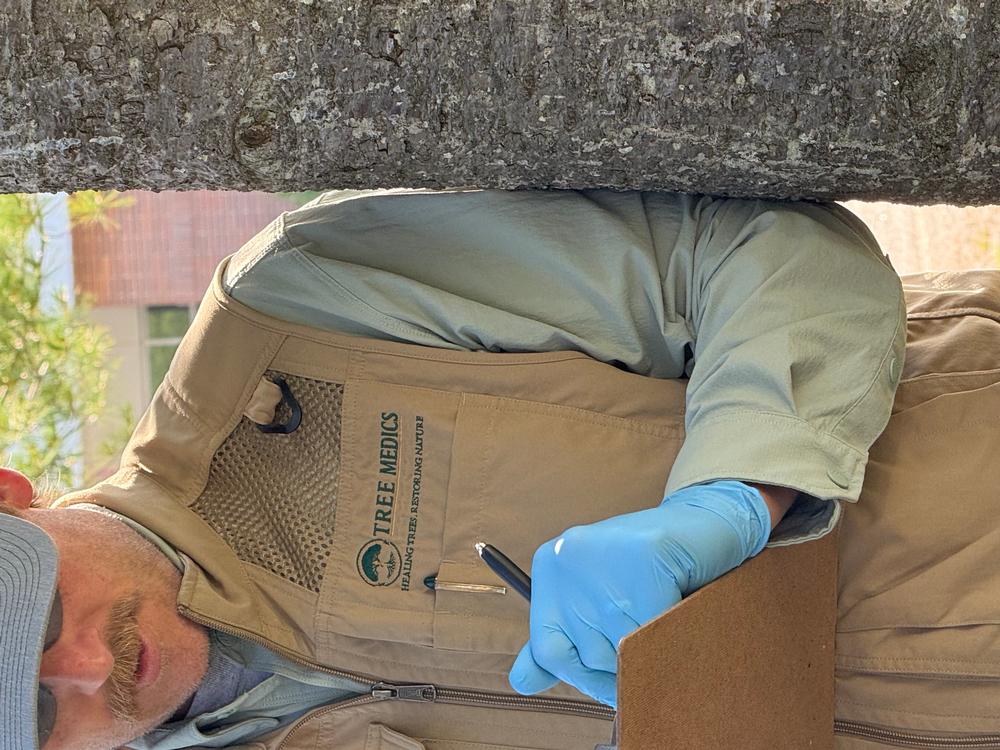
Tree Medics provides professional tree consultations and detailed tree health assessments throughout Southern Maine, helping homeowners, property managers and municipalities make informed decisions about treatment, preservation and long-term care.
What we look for
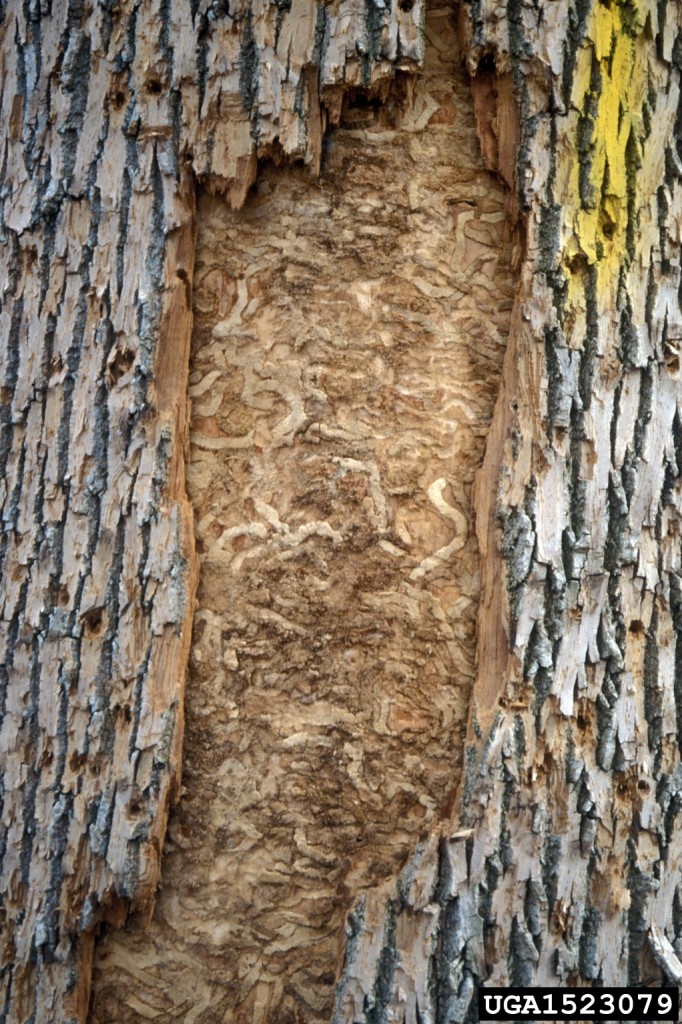
- Emerald ash borer infestations
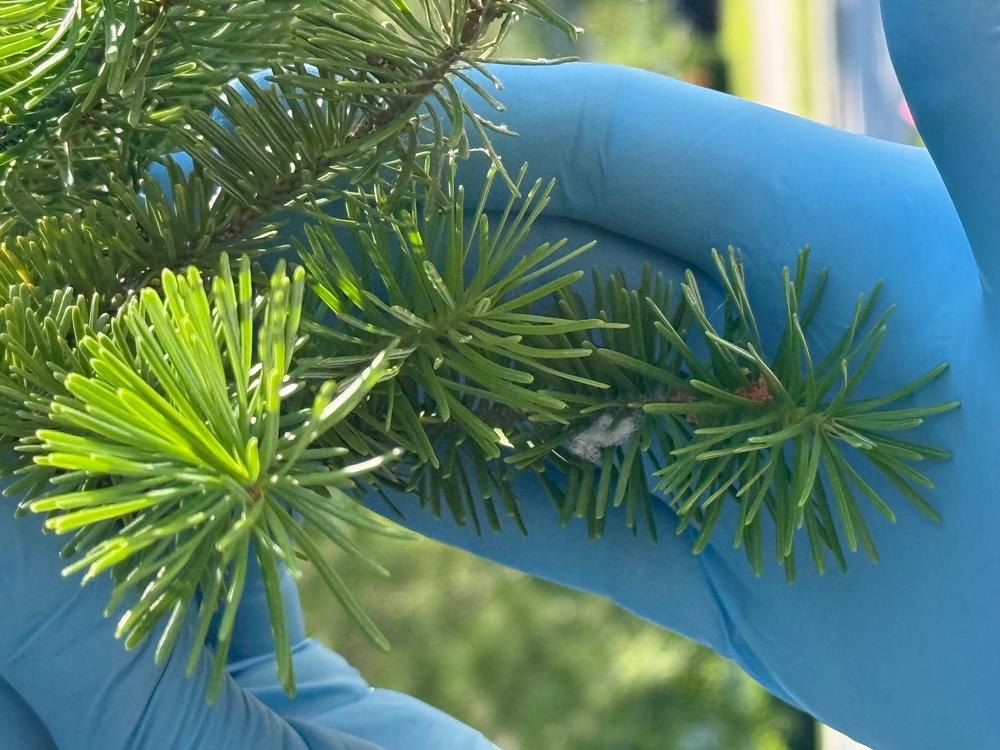
- Hemlock woolly adelgid damage
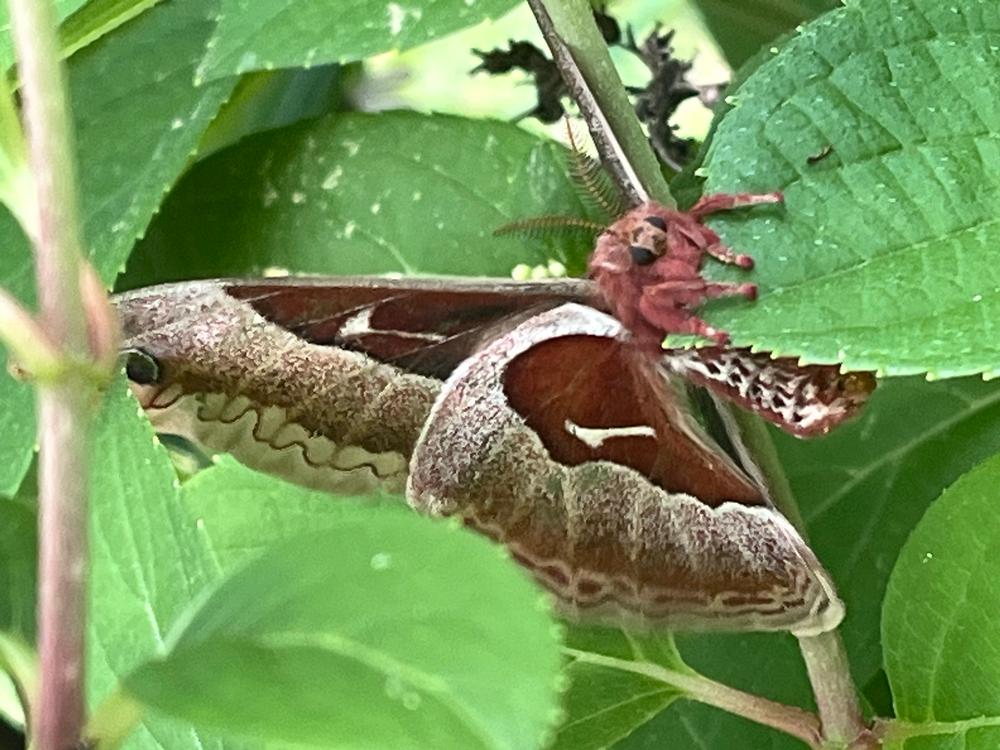
- Browntail moth activity
- Tree diseases and fungal issues
- Other insect infestations
- Root and soil health concerns
- Storm and structural damage
- Nutrient deficiencies
- Drought and environmental stress
- Invasive plants on the property
Types of assessments
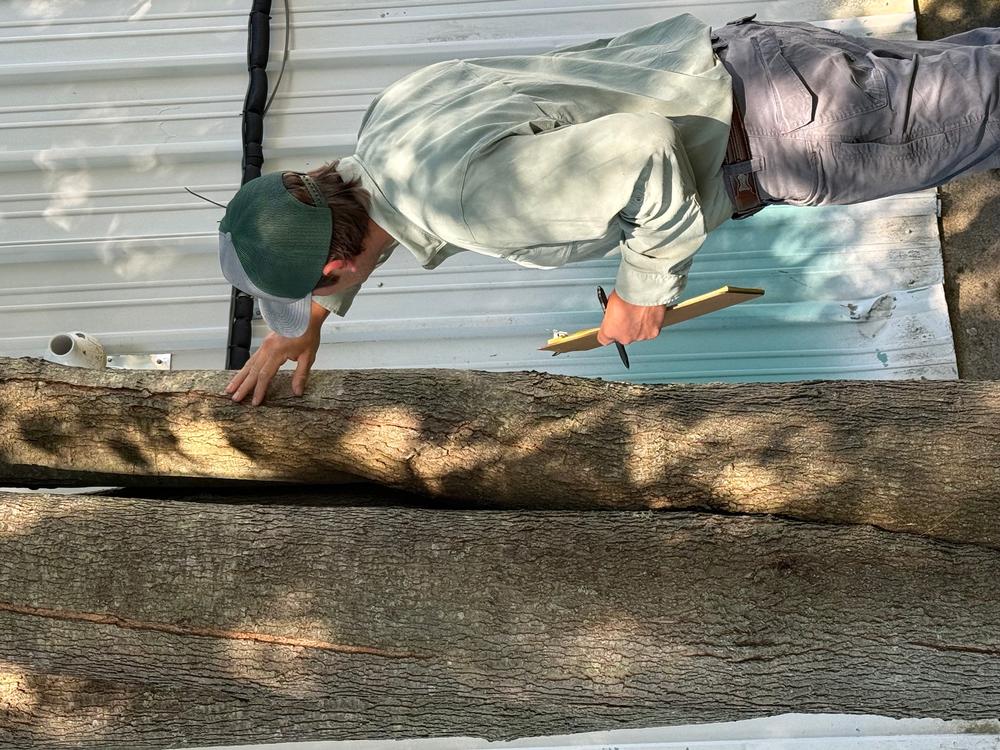
What you get
After your consultation, you receive recommendations tailored to your trees, site and goals. Depending on what we find, that may include:
- Tree preservation treatments
- Insect and disease management
- Soil and root zone improvements
- Structural pruning
- Monitoring plans
- Tree removal when truly necessary
When to schedule an assessment
- You notice thinning leaves, dead branches or canopy decline
- A tree looks stressed or unhealthy
- You suspect insect or disease activity
- A storm has caused damage
- A tree is leaning or showing signs of structural weakness
- You are buying or selling a property
- You want to start a proactive tree health program
Warning signs worth a closer look
The International Society of Arboriculture lists these as signs that a tree should be examined by a qualified arborist:[1]
Problems that start at the base
Many tree problems start at ground level. A tree’s root flare, where the roots spread from the trunk, should be visible. When trees are planted too deep or buried in mulch, roots can grow around the trunk and squeeze the tissue that carries water and nutrients.[2] Symptoms include yellowing or smaller leaves, scorch, branch dieback and cracking bark.[2] Heaped “mulch volcanoes” keep bark wet and can trigger roots that girdle the trunk.[2] Stressed trees are also more vulnerable to insects and disease.[2]
What we check through the year
- Spring and fallHemlocks are inspected for woolly adelgid at the start and end of Daylight Saving Time.[3]
- Mid to late summerBrowning that starts at leaf edges from mid to late July can point to bacterial leaf scorch.[4]
- Fall and winterWith the leaves down, browntail moth winter webs are easier to spot and can be clipped while trees are dormant.[5]
- Any time: ash treesCanopy dieback in ash is checked against Maine’s guidance, which does not recommend treatment once more than half of the fine branches are dead.[6]
Why licensing matters
Anyone accepting payment for tree work in Maine, including diagnosing and evaluating the condition of trees, must be licensed and insured. Homeowners can ask to see the license, and the state recommends asking for a certificate of liability insurance, since you could be liable for damage or injuries if an unlicensed or uninsured person works on your property.[7]
The state also suggests getting the work and price in writing before it starts.[7]
Sources
- International Society of Arboriculture: Recognizing tree risk (2021)
- University of Maryland Extension: Free the flare, maintain a visible root flare for tree health (January 2024)
- Maine Forest Service: Hemlock woolly adelgid fact sheet
- Penn State Extension: Bacterial leaf scorch (November 2023)
- Maine Forest Service: Browntail moth information
- Maine Forest Service: Ash treatment guide
- Maine DACF Arborist Program: Hiring a licensed arborist